Friday, April 27, 2018

Wolf spider


Hello reader,


Members of the family Licosidae are spread in the world, been commonly named Wolf spider. With so vast diversity of colors and sizes the best way to recognized one is by their big eyes of the front with four smalls above and more two separate in the top.

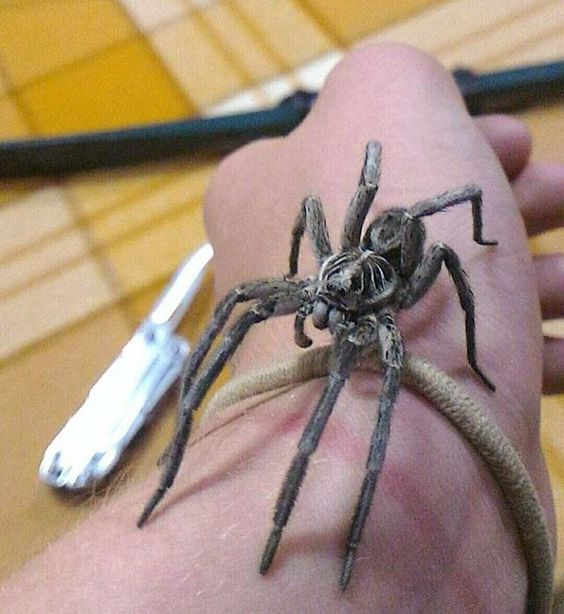


There have a good sight thanks to those big eyes, making them a good hunter. They don’t spin a web, and like the huntsman they go after their food. It don’t go after only bugs, incredibly this spider can hunt frogs and toads, but not only that, this spider even dive in the water and catch small fish.


It is more common they be walkers,but some create a burrow that can have or not a door. They really in their vision to do a hunting, but they also use the sensitive legs to know from where is coming a moviment when they stay in the burrow. When they left the burrow at night to hunt if it has a door this stay opened until the spider returns.


Another easy way of recognise them is if you see one carrying a sac, more specifically a female carries a circular sac attached on her spinnerets. When the eggs eclode the spiderlings stay in her back until the change of skin then they disperse by ballooning or walking. The mother helps breaking the sac to the youngs climb her, is a rare parentcare in the spider’s world, she protect the sac and the youngs in her back with her life.
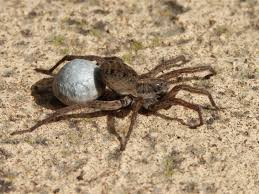
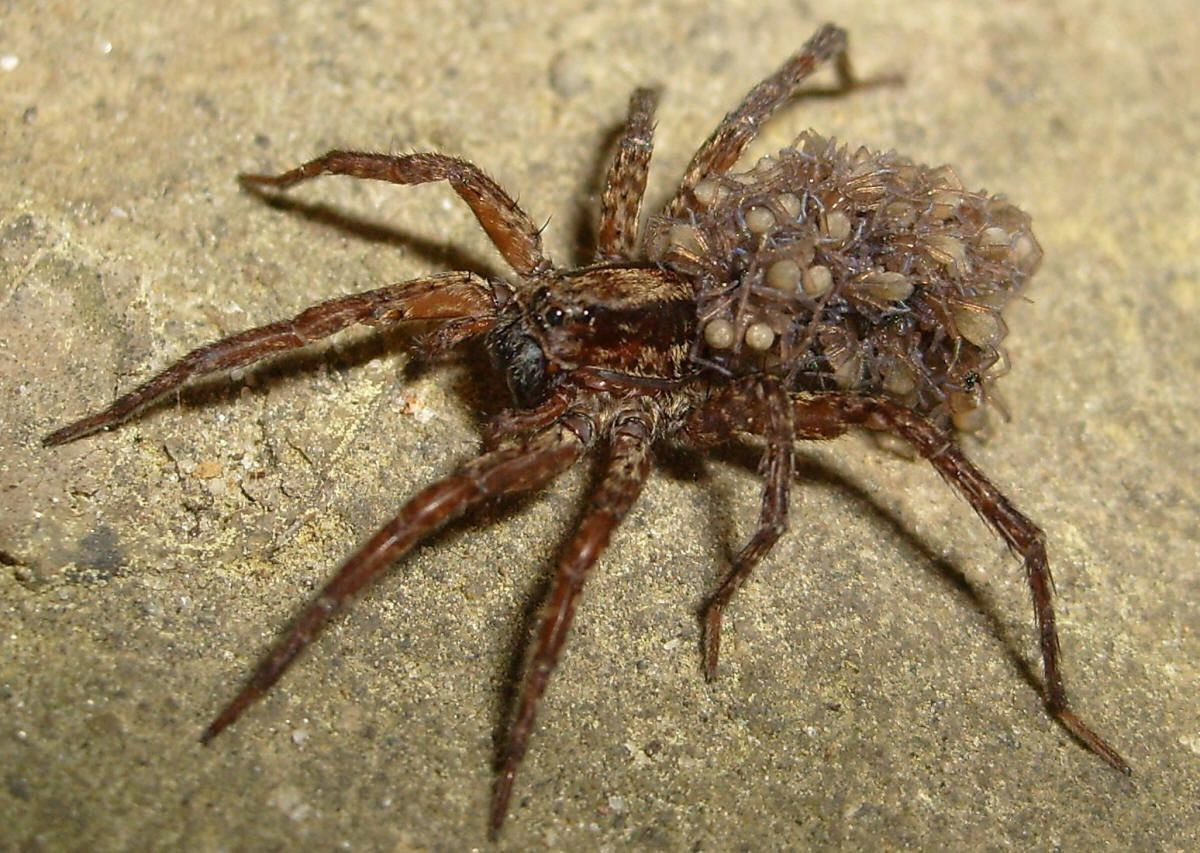


The wolf spider is not exactly dangerous, but a bite can cause a lot of local pain and if the symptoms persist you need to go to a hospital. Normally the spider don’t inject venom unless be continuous provoked. This is another spider with a mit of necrosis, that don’t happened.


Kingdom> Animalia

Monday, April 2, 2018

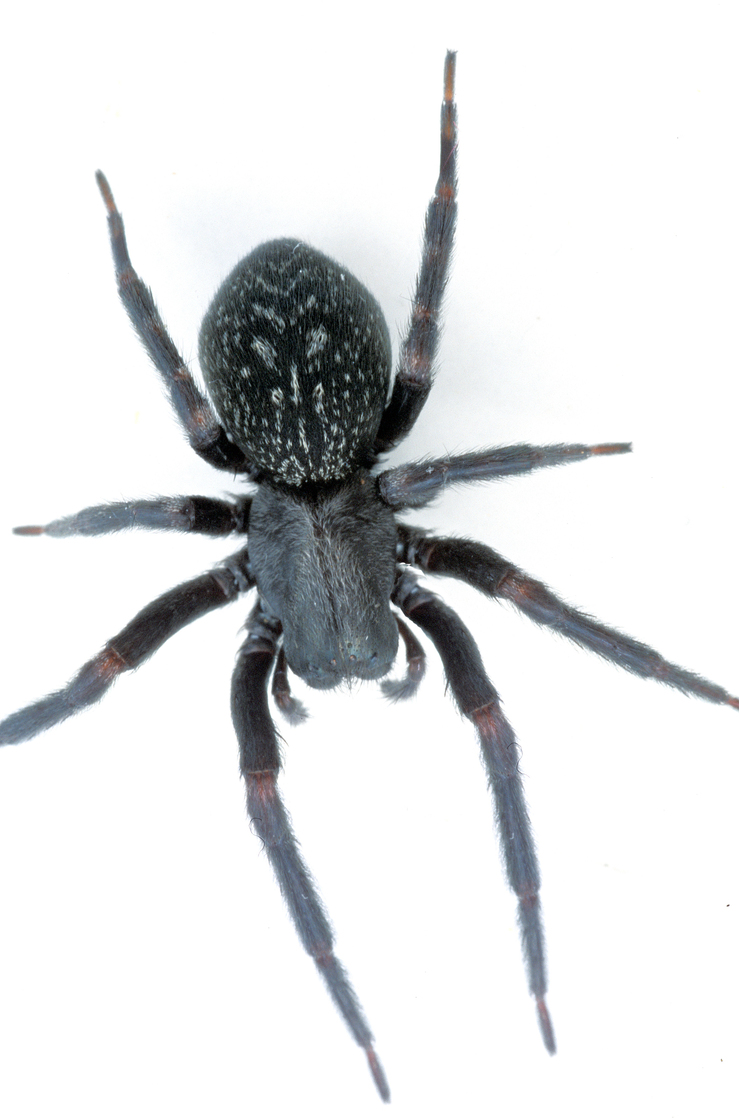
Black House Spiders


Hello Reader,


The spider of today can stay in the same spot until your day of death. The Black house spider is not exactly dangerous, her venom can cause a lot of pain and some minors unwell symptoms, unless you are allergic, then it can kill you. Generally is a sweet spider, and don’t bite unless provoked.


The black house spider normally built her web in places that have something shine to attract insects, thats is way it receives also the name window spiders, the bright of window attract insects what makes a perfect place to construct a home.


The web can have a funnel forme, makyn people thinking is a funnel-web spider, but the web is more messy, and don’t stays in a burrow. The black house spider lives in the same web and will just put more silk in the same, makin some old ones look more gray, unless something force them to move for then the spider will build a new web in a new place.


Differently of the other spiders, when a male make sure the female is receptive they will stay together for some days and mate several times.


The female guard the sacs of eggs until they hatch and disperse. Some will stay in the weeb of the mother during a time, eating small prey that the bigger spider ignore before leaving and starts its own web.


Kingdom> Animallia
 Phylum> Arthropoda
  Class> Arcahnida
   Order> Araneae
    Family> Desidae
     Genus> Badumna
      Species> B. insignis


~Catch you later

References:
http://www.spiders.com.au/black-house-spider.html
https://en.wikipedia.org/wiki/Black_house_spider
https://australianmuseum.net.au/black-house-spider-badumna-insignis
http://www.scienceimage.csiro.au/tag/spiders/i/2019/adult-black-house-spider/

Friday, March 16, 2018

White-tail spiders


Hello Reader,


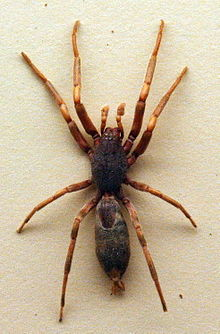
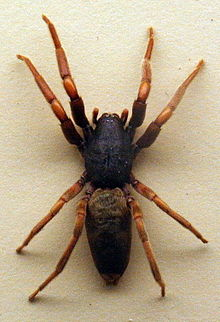
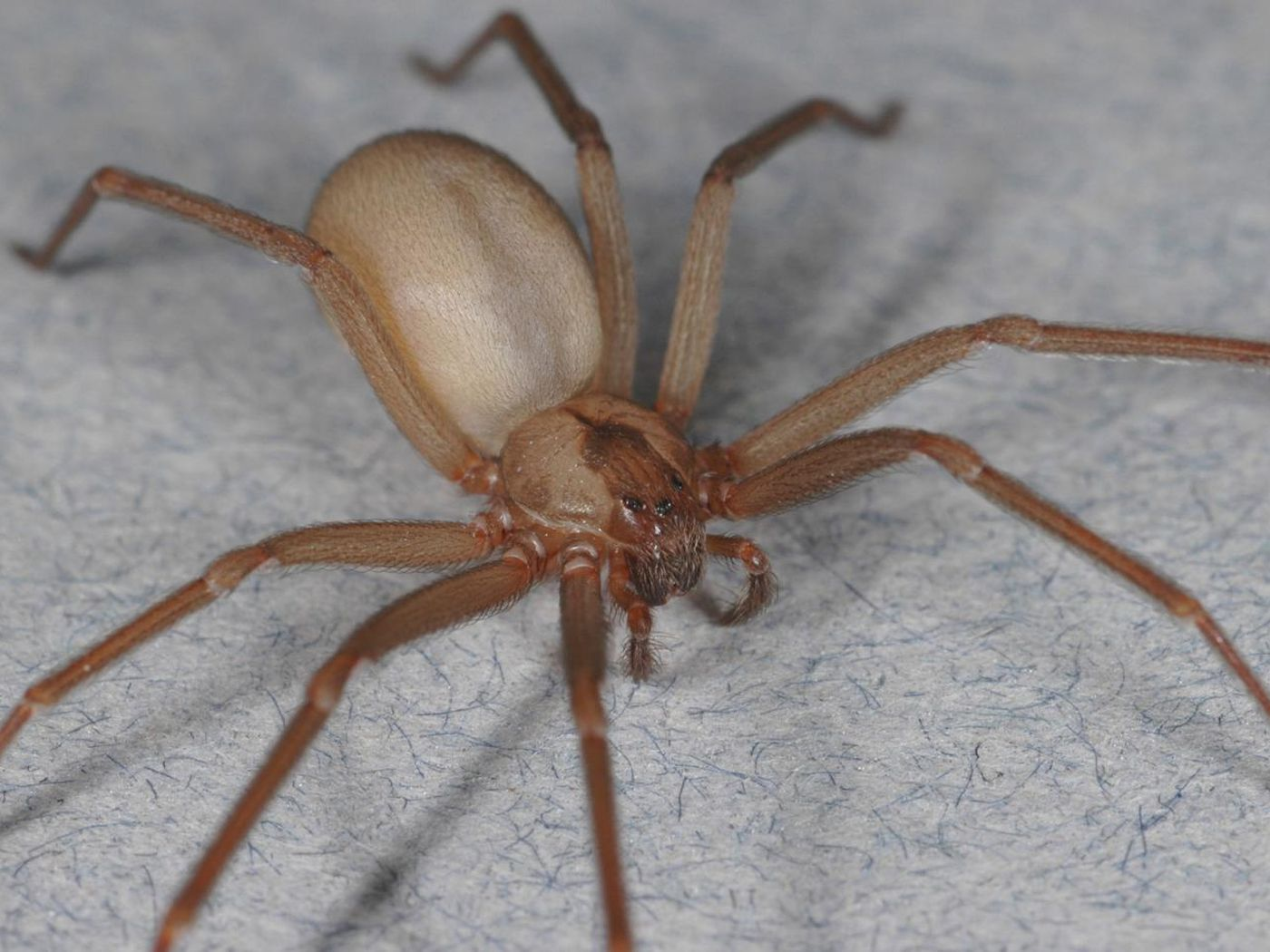
The spider of today is another with some mystification. The white-tailed spider. A confusion that is made with this spider it is that the venom can make the location of bite necrose, however this is not scientific proof and all the attempts to see this fenom point that don’t happen. The spider who is proof to do this lives in Brazil, normali know as brown spider.


Male L. cylindrata
Female L. cylindrata
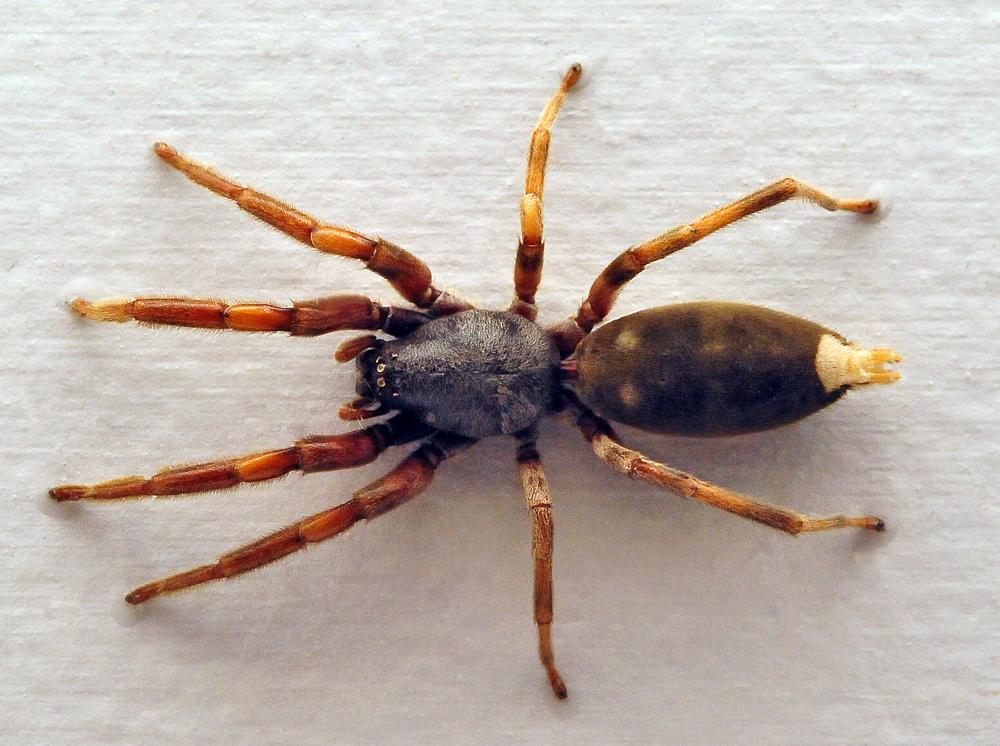
L. murina


The venom injects on the bite of the white-tailed spider don’t spread on the body, stay in a range of the bite, causing a local swelling, pain and itchiness. In rare cases cause nausea, vomiting, malaise or headache. You probably will not have a doubt that this spider bite you, once the bite hurts like a bee sting and give an immediate burning sensation. But don’t worry, a good pack of ice can help with the pain, not more than that is required, but the red marck can stay during 5-12 days.


This spider is not aggressive, just wen treaden. In the case could be by accidental since this spider likes to hide in the middle of the folds of clothes, towels and shoes. It don’t create a web, hunting other spiders, she vague around during the night after her pray. She can even help hunting the Redback spider and black house spider that make part of her diet.


The white mark in the adults can be less visible then in the young, who have a easy observable white spot.


Brown spider


Brown spider:
Kingdom> Animalia
 Phylum> Arthropoda
  Class> Arachnida
   Order> Araneae
    Family> Sicariidae
     Genus> Loxosceles


White-tailed spider:
Kingdom> Animalia
 Phylum> Arthropoda
  Class> Arachnida
   Order> Araneae
    Family> Lamponidae
     Genus> Lampona
      Species> L. Cylindrata

Tuesday, March 13, 2018

Ibises


Hello Reader,


Today anotar bird to talk about. The Ibises.


It is a bird far spread into the world, except in Antarctida, habiting forests, plains and wetlands. But I focusing in two species of ibis, the straw-necked and the australian white ibis.


and


This two species of ibis have the costume of get together in a huge flock on the season of breeding when they coexist. They have a time to normally procreate in the year depending on the region were they are, but have some cases when occur after a big rain in any time of the year. They also can create their nests in a place where other birds like egrets, herons, spoonbills or cormorants, who also build nest near a corp of water.


The most common ibis to see is the australian-white-ibis, because it have adapted well to the live in the city; While the straw-necked ibis don’t have adapted to cities, but have a good relation with farmers sins they eat the plague insects. The australian white ibis is consider in some places a plague in the city due their unique bad smell and they also turn garbage cans and even stole sandwiches of picnic baskets.


The australian white ibis get so long in the city that they even abandon their usual place of procreation to stay in the same place, building their nests in rivers that cross the town.


http://maps.iucnredlist.org/map.html?id=22697525


Kingdom> Animalia
 Phylum> Chordata
  Class> Aves
   Order> Pelecaniformes
    Family> Threskiornithidae
     Genus> Threskiornis
      Species> T. spinicollis

Kingdom> Animalia
 Phylum> Chordata
  Class> Aves
   Order> Pelecaniformes
    Family> Threskiornithidae
     Genus> Threskiornis
       Species> T.molucca


Tuesday, February 13, 2018

Trap door spider


Hello Reader,


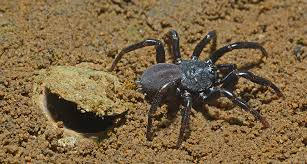
Hiding in the garden there is the trapdoor spider. But a big group is call that way, even not all having a door in their burrows. 


Far to be dangerous, only painful, this spider you can keep close sins they will help get ridden of pests in you garden. Just don’t bother them to much, they will be aggressive. The specimens brown are commonly mistake with funnel-web spiders, but they have a dor in they borrow and the funnel-web don’t, you also can notice the vast stream of web around the burrow of the funnel-web spider, in comparison with the trapdoor spider just have some wires that are barely notable.


Is difficult to notice their burrow without the door been open. The burrow is the same for life, conforming the spider grows she will scaving the burrow and increasing the size of the door. 


Males will abandon their burrow in humid weather to look for partners, and normali they scape been eaten and mate with a diversity of females before dying.

Females don’t go to far from their burrows. They lay their eggs inside the lair, feeding the youngster during some months until they will leave and make their one burrow.


You belive spider don’t live to much? A lot of spider don’t survive more than one ear, some can even dure 2 ears, even 5, but nothing longueur? Well the Trap door spider can live between five and 20 years. They take ears to mature. But even live so long they are not a good pet, since they are to aggressive for that.


Kingdom> Animalia
 Phylum> Arthropoda
  Class> Arachnida
   Order> Araneae
    Suborder> Mygalomorphae


~Catch you later


References:
http://www.australiangeographic.com.au/topics/wildlife/2012/08/australian-spiders-the-10-most-dangerous
https://animalcorner.co.uk/animals/trapdoor-spider/
http://animaldiversity.org/accounts/Conothele/classification/
http://www.spiders.com.au/trapdoor-spider.html
https://en.wikipedia.org/wiki/Mygalomorphae


https://australianmuseum.net.au/image/sydney-brown-trapdoor-spider-female
https://australianmuseum.net.au/image/sydney-brown-trapdoor-spider-misgolas-villosus


https://www.youtube.com/watch?v=rcidv39_KmE
https://www.youtube.com/watch?v=5ZDY13sorGo

Monday, February 12, 2018

Ordgarius


Hello Reader,


Lacing thru, the Orgarius genus came. The family Araneidae is a massive one, but between the common builders of spiral whell-shaped webs, lay a sub-family Mastophoreae, the bolas spider. Exist tree genus, but only the Ordgarius occur in Australia.


Disguised like a bird droppings, or a plant fungus the bolas spider rest in the day and go hunt in the night. But not like his relatives who build a web. For the children and the males the hunt is sit and wait to a insect pass by to grab it with the frontal legs in the edges of some place. They don’t hunt like the female with a globule because it will dry out to fast. 


In the genus Ordgarius they produce the bolar and begins to whirl rapidly when the heir in the legs detecting an incoming prey. The spiders can produce a pheromone similar to the females of moths who live in the same area, normali been more specĂ­fic, but can produce more than one to attract different species of moths. But they also will tray to get ani bug passing close enough, and they can probably hit it with the bolar. Sometimes they will eat the catch prey, but sometimes they just pack and store for later. continuing the hunt. Occur then they can’t get anything in two hours the spider will eat the silk with the bolar, because the pheromone will dry out, needing to produce a new bolar. The pheromone they produce only attract the males of moth.


 The sacs of eggs are different depending on the species, what can help identification. But all have the same characteristic off been huge, 5cm who contain 600 eggs, and more than one. Males hach in full maturity.


They can live for tree ears. 


Named after a throwing weapon made of rope and weights, common in the olds days of South American when the gauchos hunt the cattle, and even in their war was used.


Kingdom> Animalia
 Phylum> Arthropoda
  Subphylum> Chelicerata
   Class> Arachnida
    Order> Araneae
     Family> Araneidae
      Genus> Ordgarius


~catch you later


References: 


Australian garden orb weaver spider


Hello Reader,


You can look around the world and you will find one of these big famili. This is one you can see every day. Let’s talk about a old friend of everybody, the garden orb weaver spider.


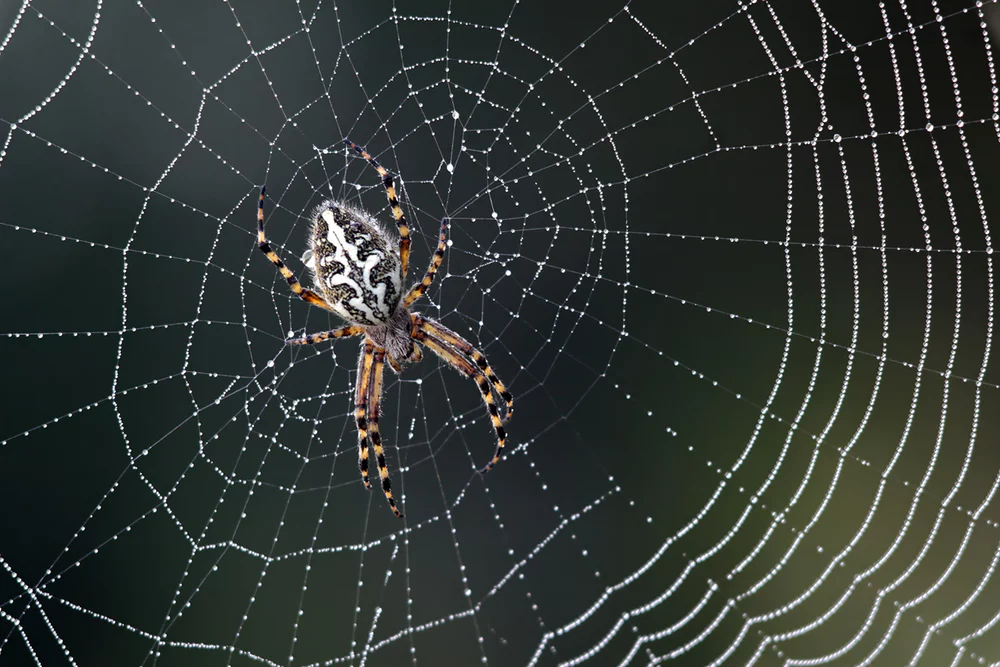
She construct her web in the middle of branches and trees, spots with a open space that insects likely fly. If they got a lot of food they don’t risk training to caught a large prey and is common to release them from the weeb to avoid an unnecessary confrontation and big lost of web.


Web is a recurso that cost a lot for a spider, so much that they normally eat the web when they switch the places of hunt. And some species can even create a 2 meters web.


This is a spider who don’t live long lives. They hach between autumn and winter, getin the maturity in summer, between summer and autumn they lay the eggs and the female normally die in the end of autumn beginning of winter.


During the time of reproduction the male have a chance to escape after the copulation, but in the second female is almost certain he will become diner. Was seen that males who jump off the copulation early have less success in the relative paternity, surviving for another chance. But the males who jump early are related wit the female (siblings) and doing this increase the chance that the second female will be a non-kin, making the copulation longer, guaranteeing their paternity, but also losing their lives.


The Female is 9 times larger than the male. Been small increase their chance of don’t be eating in the firsts steps in the web, since a small size can indicate low nutritional value and can help in don’t be seen until he gets in the right spot to begun the serenade vibrating the web.


They came in several colors and a variation in size. All have a venom, but nothing to threaten to humans, even so you can have pain and other symptoms during 3 hours, but this depends on person to person . People who are more sensitive to bits need to search for medicine help. The biggest threat it is you are walking in the night and stomb in one of their webs, if you have more than 50 years you can have a heart attack when see the spider walkin in your face.


The garden orb weaver spider is normally nocturne, and will hide during the day to avoid predators, but if is in a while without getting food she will risk stay in the web during the day. Some spider will eat the web before go hide, other have a hiding spot near the web so they just leave the web during day and retur during night. 


Kingdom> Animalia
 Phylum> Arthropoda
  Class> Arachnida
   Order> Araneae
    Suborder> Araneomorphae
     Superfamily> Araneoidea
      Family> Araneidae
       Genus> Eriophora


~Catch you later


References:
http://www.australiangeographic.com.au/topics/wildlife/2012/08/australian-spiders-the-10-most-dangerous/
https://australianmuseum.net.au/garden-orb-weaving-spiders
https://en.wikipedia.org/wiki/Orb-weaver_spider
https://en.wikipedia.org/wiki/Australian_garden_orb_weaver_spider
http://animaldiversity.org/accounts/Eriophora/classification/
http://www.spiders.com.au/garden-orb-weaving-spider.html
http://www.minibeastwildlife.com.au/resources/garden-orb-weavers/


Welke KW, Schneider JM. Males of the orb-web spider Argiope bruennichisacrifice themselves to unrelated females. Biology Letters. 2010;6(5):585-588. doi:10.1098/rsbl.2010.0214.
https://www.ncbi.nlm.nih.gov/pmc/articles/PMC2936157/